Let's talk about something nobody wants to admit but almost everyone thinks about:
"What if I just... stretched the truth a little?"
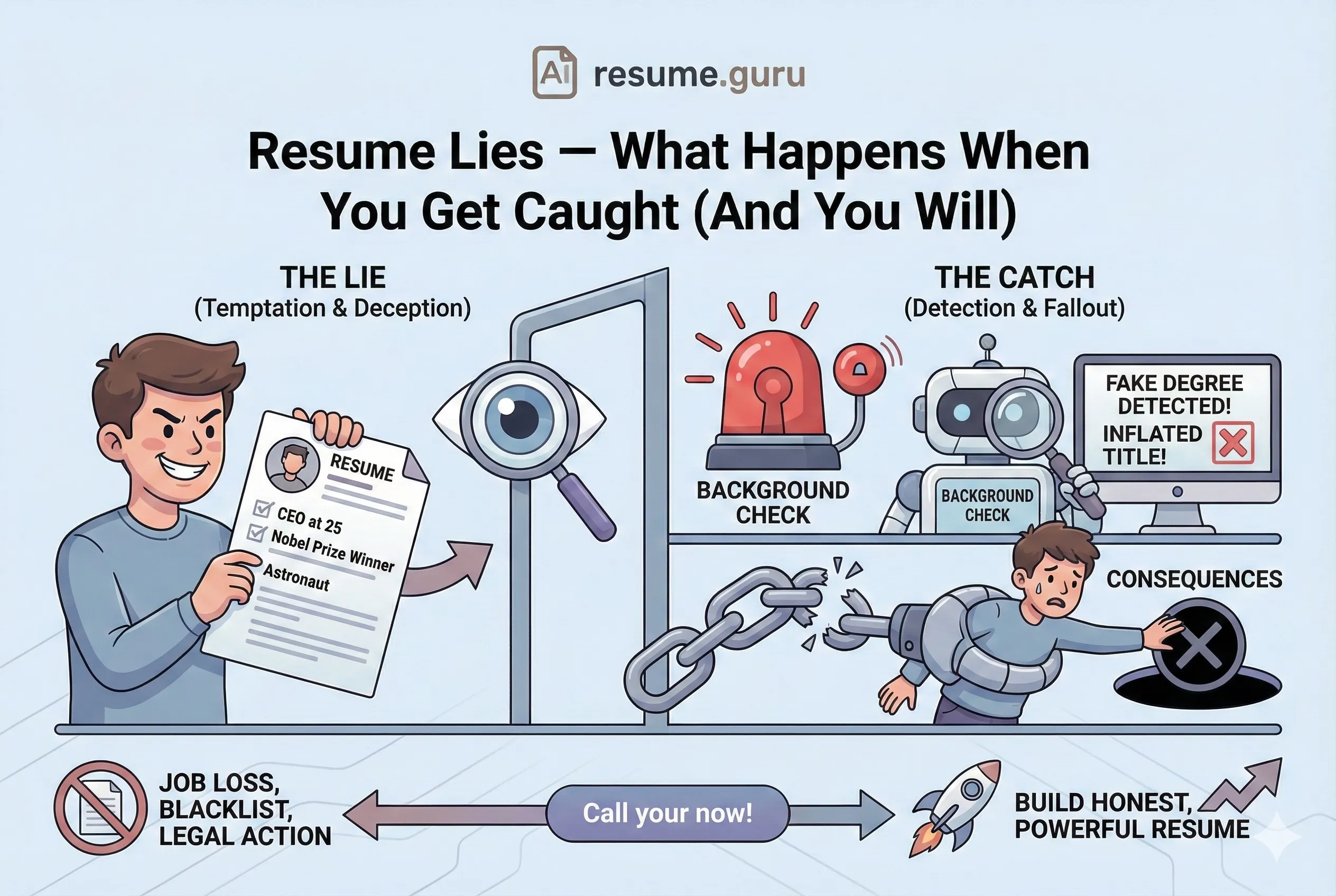
Added a degree you didn't quite finish. Inflated your job title. Extended employment dates to hide a gap. Claimed experience with software you've only read about.
It's tempting. The job market is competitive. Everyone else is probably doing it, right?
Here's the uncomfortable reality: they're getting caught. More often than ever. And the consequences are brutal.
The Reality Check
- 85% of hiring managers have caught resume lies
- 94% of employers conduct background checks
- "The Work Number" database verifies employment from 2.5M+ employers
- Consequences: job loss, blacklisting, legal action
- The risk is never worth the potential reward
- Build an honest, powerful resume instead →
The Numbers Don't Lie (Even If Resumes Do)
Hiring managers who've caught lies
The vast majority of recruiters have experience catching resume fabrications. They know what to look for.
Source: HireRight Employment Screening Report
Let's look at the data:
| Stat | What It Means |
|---|---|
| 50%+ of people admit to lying on resumes | You're not alone in the temptation |
| 85% of hiring managers have caught lies | They're experienced at spotting them |
| 94% of employers run background checks | Verification is standard, not optional |
| 1 in 4 background checks finds discrepancies | Even "small" lies get flagged |
The odds are not in your favor.
How Lies Get Caught
Gone are the days when a fake degree or inflated title might slip through. Modern verification is thorough.
The Work Number Database
The Database That Knows Everything
"The Work Number" is an Equifax-owned database that receives payroll data from over 2.5 million employers. When a background check runs, it pulls your:
- Exact employment dates
- Official job titles
- Employment status
- Salary history (in some cases)
If you claim you were a "Senior Manager" but the database says "Associate," you're caught.
Other Detection Methods
- 1
Timeline Triangulation
Recruiters cross-reference your resume with LinkedIn, application form, and background report. Any overlaps or gaps that don't match invite scrutiny.
- 2
Credential Verification
Degrees, certifications, and licenses are directly verified with issuing institutions. 'Almost finished' isn't the same as completed.
- 3
Reference Checks
Former managers are asked: Did this person work there? What was their title? Would you rehire them?
- 4
Social Media Review
70% of employers research candidates online. Your LinkedIn better match your resume.
- 5
Technical Screening
Claimed Python expertise? You'll be tested. Fabricated skills are exposed in interviews.
Common Lies and Their Detection Risk
| Lie | Detection Risk | How It's Caught |
|---|---|---|
| Fake or inflated degree | 🔴 Very High | Direct verification with university registrar |
| Fabricated employer | 🔴 Very High | Background check finds no record |
| Inflated job title | 🟠 High | The Work Number, reference checks |
| Extended employment dates | 🟠 High | Payroll databases have exact dates |
| Overstated salary | 🟡 Medium | Some background checks include salary verification |
| Exaggerated achievements | 🟡 Medium | Reference checks, interview probing |
| Claimed skills not possessed | 🟢 Lower (but fails later) | Technical interviews, on-the-job performance |
The Consequences Spectrum
Getting caught doesn't just mean not getting this job. The ripple effects are severe.
Immediate Consequences
When Caught During Hiring Process
- Job offer rescinded — You're back to square one
- Permanent rejection from company — Many employers blacklist applicants who lied
- Damaged recruiter relationship — Word spreads in talent acquisition circles
Delayed Consequences
When Caught After Hiring
- Immediate termination — No notice, no severance
- Voidable contract — Employment agreement was based on false info
- Career damage — Future employers will ask "Why did you leave?"
- Industry reputation — In tight-knit industries, people talk
Severe Consequences
When Lies Cross Legal Lines
- Fraud charges — Falsifying credentials in regulated fields (healthcare, law, finance)
- Lawsuits — Employers can sue for damages if your fraud caused harm
- Criminal record — In extreme cases, jail time is possible
- Loss of actual credentials — Professional licenses can be revoked for dishonesty
The "Gray Area" — Where Positioning Becomes Lying
Here's where it gets nuanced. Not everything is black and white.
| Acceptable Positioning | Dangerous Exaggeration |
|---|---|
| Using a more recognizable equivalent title | Claiming a title you never held |
| Highlighting your contribution to team achievements | Claiming sole credit for team work |
| Rounding GPA (3.48 → 3.5) | Inventing a GPA you didn't earn |
| Summarizing multiple short projects as one initiative | Combining separate employers into one to hide job-hopping |
| Emphasizing relevant experience over chronology | Changing dates to hide gaps |
| Omitting irrelevant experience | Omitting relevant negative experience (firings, demotions) |
The Litmus Test
Ask yourself:
"If my interviewer called my former manager right now, would they confirm this?"
If the answer is no, don't write it.
Why People Lie (And Why It's Not Worth It)
The Temptation
- Competitive job market — Everyone seems more qualified
- Employment gaps — Fear of being judged
- Missing credentials — "I have the skills, just not the paper"
- Career pressure — Feel like you need to be further along
The Reality
We've terminated employees years after hiring when lies surfaced. It doesn't matter how well they performed — trust is broken. And it goes on their record.
The short-term gain (getting the interview, landing the job) is massively outweighed by:
- Ongoing anxiety about being discovered
- Imposter syndrome amplified
- Career built on a shaky foundation
- Catastrophic consequences if/when caught
The Honest Alternative
Instead of fabricating qualifications, here's how to legitimately strengthen your candidacy:
Build Real Qualifications
- Complete certifications that fill skill gaps
- Take on projects that build missing experience
- Use volunteer work to demonstrate capabilities
- Reframe existing experience with stronger language
- Be honest about gaps and explain them positively
- Focus on transferable skills from non-traditional experience
Addressing Weaknesses Honestly
How to Handle Gaps and Missing Qualifications
- Employment gaps: "I took time to care for a family member, and I'm now fully committed to returning to my career in [field]."
- Missing degree: "While I don't have a formal degree in X, I've developed practical expertise through [certifications/experience]."
- Career change: "My background in Y gives me a unique perspective on Z, particularly in areas like..."
Honesty, framed positively, almost always works better than fabrication.
Your Move
The job market is tough. The temptation to embellish is real. But the math doesn't work.
The risk: Career destruction, legal consequences, permanent reputation damage
The reward: Maybe getting a job you'll spend every day anxious about losing
It's not worth it.
Build a resume that showcases your real strengths. Address gaps honestly. Let your genuine qualifications speak.
Because here's the secret: recruiters aren't looking for perfect candidates. They're looking for honest candidates who can do the job.
Build a resume you're proud to defend
Our AI Resume Builder helps you present your real experience powerfully — no fabrication required. Turn genuine achievements into compelling applications.
Create My ResumeRelated Resources
- Achievements vs. Responsibilities — Show real impact
- Resume References Guide — Your references will verify your honesty
- AI Over-Optimized Resumes — When AI exaggerates for you
- Entry-Level Resume Guide — When experience is limited
- Resume Examples — See honest, effective positioning
- Skills Finder Tool — Discover your real, marketable skills
- Resume Summary Generator — Present yourself powerfully
Frequently Asked Questions
How often do employers catch resume lies?
Studies show 85% of hiring managers have caught a resume lie. With modern background checks and databases like 'The Work Number' containing verified employment records from 2.5 million employers, fabrications are increasingly detectable.
What happens if I lie on my resume and get caught?
Consequences range from job offer rescission to termination (even years later), industry blacklisting, and in severe cases involving credentials or fraud, legal action and criminal charges.
What's the difference between lying and exaggerating?
Lying is fabricating facts that never happened (fake degrees, invented jobs). Exaggeration is inflating real experiences (claiming sole credit for team work, overstating impact). Both are risky, but lies are far more likely to be caught and have severe consequences.
Can I round up my GPA or dates of employment?
Minor rounding (3.48 → 3.5) is generally acceptable. But changing dates to hide gaps or claiming a degree you didn't complete crosses into deception. When in doubt, be accurate.
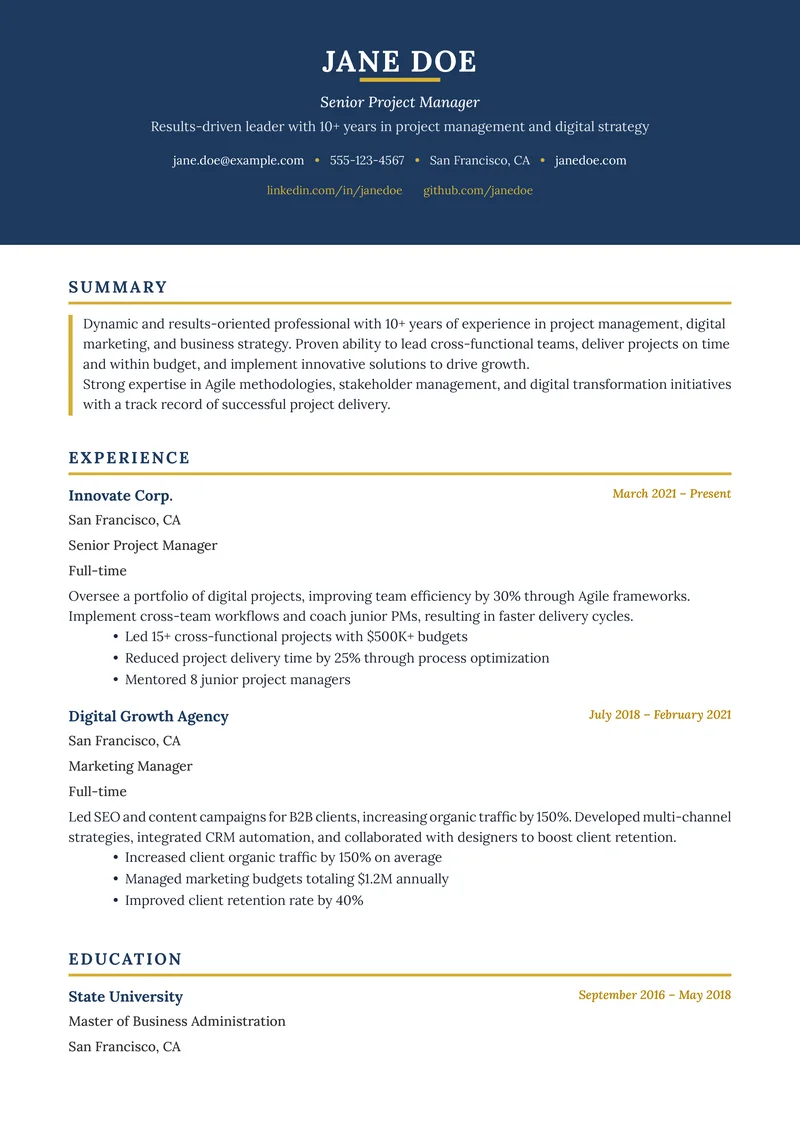
Build Your Perfect Resume
Create an ATS-optimized resume with our AI-powered builder.
No signup required.Start Building FreeExplore Resources
Enjoyed this article?
Share it with your network