What Are ATS Keywords by Industry?
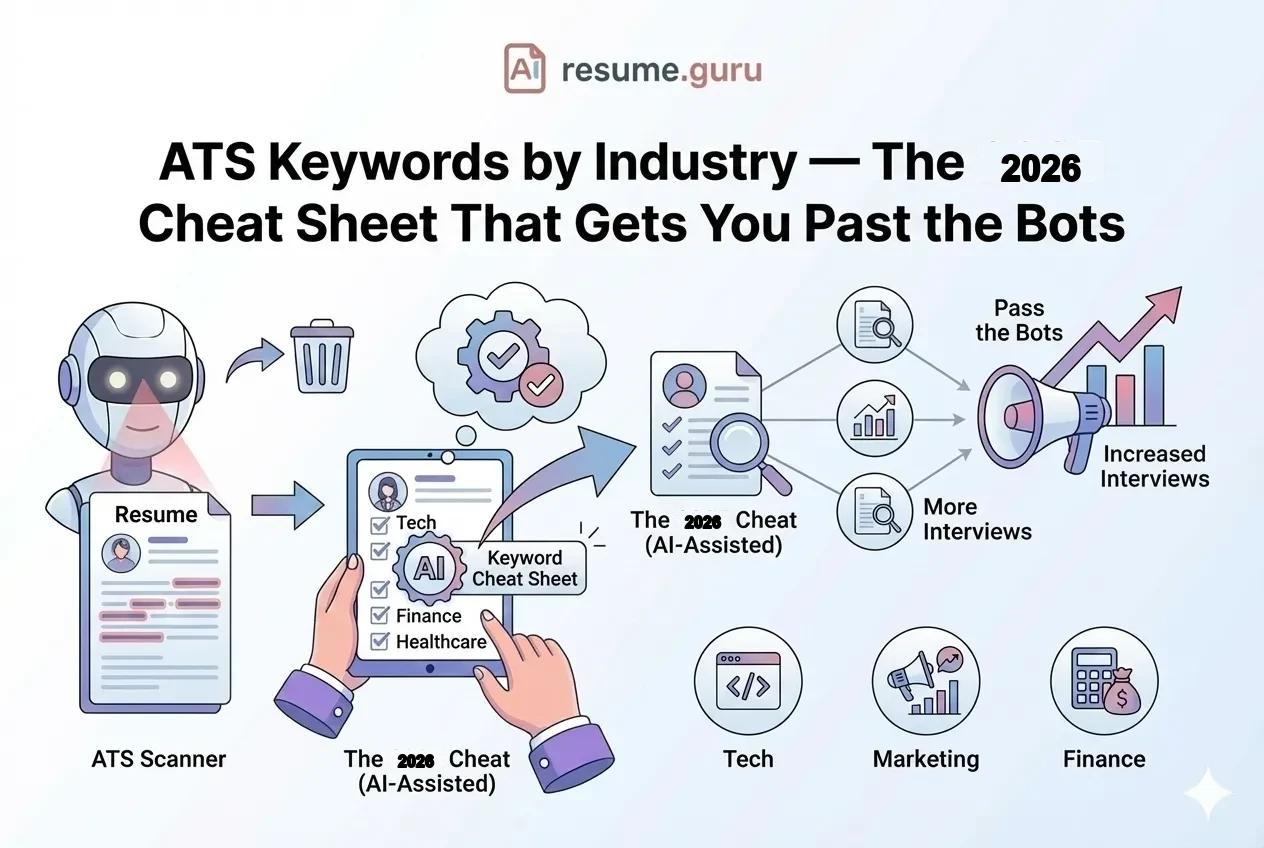
ATS keywords are the specific skills, tools, certifications, and terms that Applicant Tracking Systems scan for when filtering resumes. Each industry has different keywords: tech roles prioritise programming languages and cloud platforms, healthcare requires certifications and compliance terms, finance emphasises regulations and methodologies. Matching 70-80% of keywords from the job posting is the target — below that, your resume gets filtered out before a human ever sees it.
You’ve written the perfect resume. Strong quantified achievements. Clean ATS-friendly formatting. You apply to 50 jobs. Hear back from zero. The brutal truth: your resume probably never reached human eyes — it got filtered by the ATS because you were missing the right keywords. If that sounds familiar, it’s one of the most common reasons a resume isn’t getting interviews — score your resume now to see which terms you’re missing.
Of resumes rejected by ATS
Before a human recruiter ever sees them
Source: Jobscan Research, 2023
Those “magic words” are keywords—the specific skills, tools, and terms that ATS systems scan for. Miss them, and you’re invisible. Nail them, and you jump to the top of the pile.
This guide gives you exactly what you need: industry-specific keyword lists for 2026, ready to copy into your resume.
What You'll Get
- Copy-paste keyword lists for 10+ industries
- Where to place keywords for maximum ATS impact
- How to find keywords in any job posting
- Common mistakes that tank your keyword strategy
- Free tools to check your keyword match rate
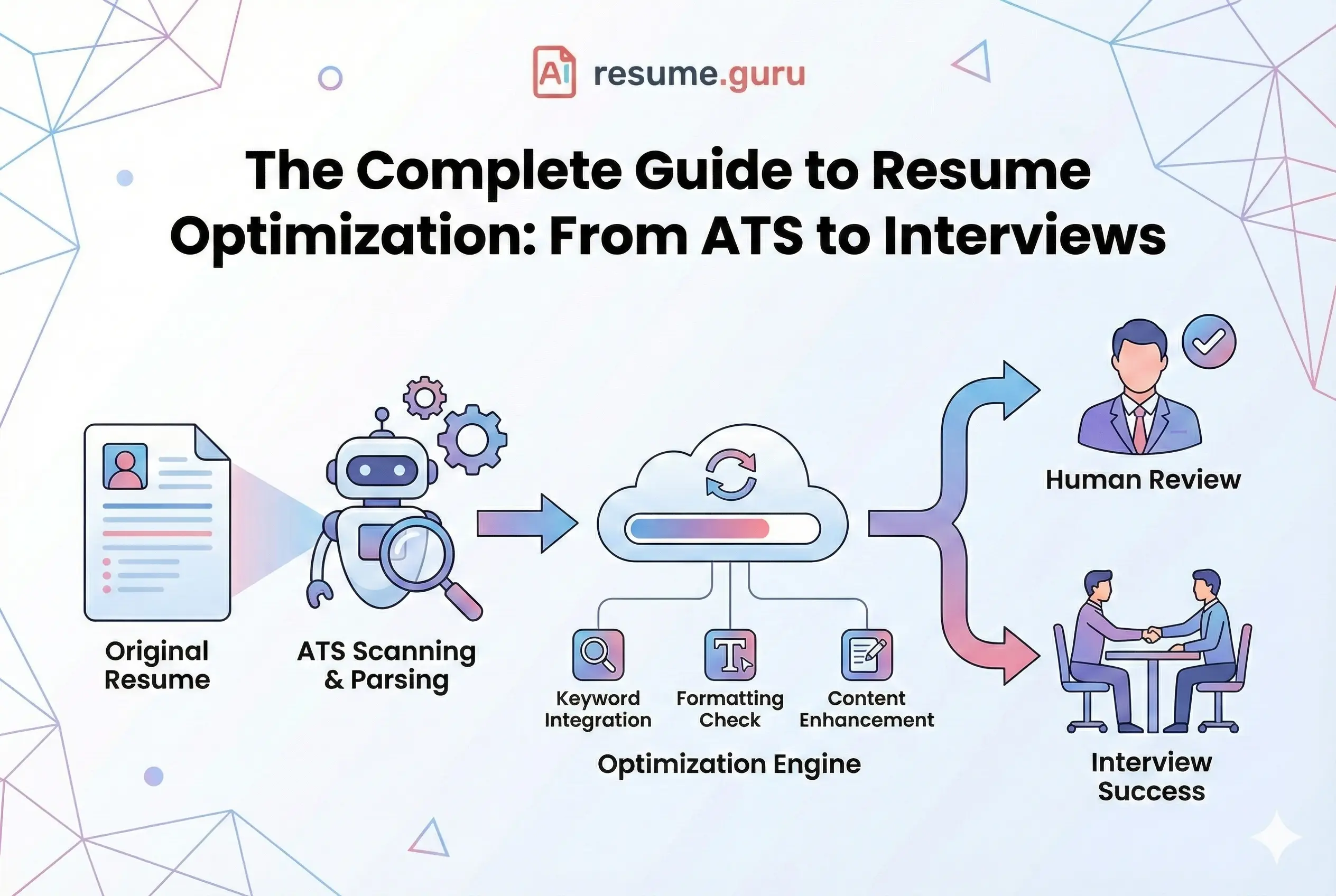
How ATS Keyword Matching Actually Works
Before we dive into the lists, you need to understand how ATS systems work and use keywords. (For the fundamentals beyond industry terms, see our full resume keywords guide.)
It’s simpler than you think:
- 1
The recruiter creates a job posting
This posting contains all the keywords the ATS will scan for—skills, tools, qualifications, certifications.
- 2
You submit your resume
The ATS parses your resume and extracts text from each section.
- 3
The system compares and scores
Your resume is scored based on how many keywords match the job posting. More matches = higher score.
- 4
Top candidates surface
Recruiters typically only review candidates in the top 20-30% of scores. Everyone else is filtered out.
The Key Insight
ATS systems are literal. If the job posting says “project management” and you wrote “managed projects,” many systems won’t count it as a match. Use the exact phrasing from the job posting.
Where to Put Keywords (Priority Order)
Not all keyword placements are equal, and a layout that parses cleanly is the precondition — browse ATS-safe templates if yours uses columns or text boxes. Here’s where they matter most:
| Location | Priority | Why It Matters |
|---|---|---|
| Professional Summary | 🔴 Critical | First thing parsed and often weighted highest |
| Skills Section | 🔴 Critical | Your keyword repository—list everything relevant here |
| Experience Bullets | 🟠 High | Keywords in context show you've actually used these skills |
| Job Titles | 🟠 High | Match the job title if you held a similar role |
| Education/Certifications | 🟡 Medium | Industry certs and relevant coursework |
Pro Tip
Your skills section is your keyword repository. List every relevant hard skill, tool, and technology—even if it’s also mentioned in your experience. ATS systems count both. It helps to split these into technical skills and soft skills so nothing gets buried.
Technology & Software Development
Tech roles live and die by technical keywords. Here’s your 2026 cheat sheet:
Programming Languages
Python, JavaScript, TypeScript, Java, C++, C#, Go, Rust, Ruby,
PHP, Swift, Kotlin, Scala, R, SQL, HTML, CSS, Bash, PowerShell
Frameworks & Libraries
React, Angular, Vue.js, Next.js, Node.js, Express, Django, Flask,
Spring Boot, .NET, Rails, Laravel, FastAPI, TensorFlow, PyTorch,
Kubernetes, Docker, Terraform
Cloud & DevOps
AWS, Azure, Google Cloud Platform (GCP), Docker, Kubernetes,
Jenkins, GitHub Actions, GitLab CI/CD, Terraform, Ansible,
CloudFormation, Serverless, Microservices, API Gateway, Lambda
Data & AI
Machine Learning, Deep Learning, Natural Language Processing (NLP),
Computer Vision, Data Engineering, ETL, Data Pipeline, Apache Spark,
Hadoop, Kafka, Airflow, dbt, Snowflake, Databricks, BigQuery
Tools & Methodologies
Git, Agile, Scrum, Kanban, JIRA, Confluence, CI/CD, DevOps,
Test-Driven Development (TDD), Code Review, System Design,
RESTful APIs, GraphQL, Microservices Architecture
Tech Resume Must-Haves
Always include: specific programming languages, cloud platforms, methodologies (Agile/Scrum), and version control (Git). These appear in 90%+ of tech job postings.
Check your tech resume keywords
Paste any job description and see which keywords you're missing.
Try Keyword ScannerMarketing & Digital Marketing
Marketing keywords have shifted heavily toward digital, data, and automation:
Digital Marketing Core
SEO, SEM, PPC, Google Ads, Meta Ads, LinkedIn Ads, Display Advertising,
Programmatic, Retargeting, Conversion Rate Optimization (CRO),
A/B Testing, Landing Pages, Lead Generation, Demand Generation
Content & Social
Content Marketing, Content Strategy, Editorial Calendar, Copywriting,
Social Media Marketing, Community Management, Influencer Marketing,
Brand Awareness, Thought Leadership, Storytelling, Video Marketing
Analytics & Tools
Google Analytics, GA4, Google Tag Manager, HubSpot, Marketo,
Salesforce Marketing Cloud, Mailchimp, Klaviyo, Hootsuite, Sprout Social,
Tableau, Looker, Data Studio, Marketing Automation
Strategy & Performance
Marketing Strategy, Campaign Management, ROI, ROAS, CAC, LTV,
Customer Journey, Marketing Funnel, Attribution, Brand Positioning,
Market Research, Competitive Analysis, Go-to-Market (GTM)
Tip
Marketing roles increasingly require data skills. Include analytics tools and metrics (ROI, ROAS, CAC) even if they’re not your primary focus—they show business impact.
Finance & Accounting
Finance keywords emphasize precision, compliance, and analytical rigor:
Core Finance
Financial Analysis, Financial Modeling, Forecasting, Budgeting,
Variance Analysis, Cash Flow Management, P&L, Balance Sheet,
Income Statement, Revenue Recognition, Cost Accounting
Investment & Banking
Valuation, DCF, LBO, M&A, Due Diligence, Portfolio Management,
Risk Management, Market Analysis, Equity Research, Fixed Income,
Derivatives, Asset Management, Wealth Management
Accounting & Compliance
GAAP, IFRS, SOX Compliance, Internal Controls, Audit,
Accounts Payable, Accounts Receivable, General Ledger,
Journal Entries, Bank Reconciliation, Month-End Close
Tools & Certifications
Excel (Advanced), VBA, SQL, Bloomberg Terminal, Capital IQ,
SAP, Oracle, NetSuite, QuickBooks, Workday, Hyperion,
CPA, CFA, CFP, CMA, ACCA
Finance Keywords That Matter
Certifications (CPA, CFA) carry significant weight. If you’re pursuing one, include “CFA Level II Candidate” or similar—it still counts.
Healthcare & Medical
Healthcare keywords require industry-specific terminology and compliance awareness:
Clinical Keywords
Patient Care, Electronic Health Records (EHR), EMR, HIPAA Compliance,
Medical Terminology, Vital Signs, Patient Assessment, Care Coordination,
Treatment Planning, Clinical Documentation, Medication Administration
Nursing Specific
Registered Nurse (RN), Licensed Practical Nurse (LPN), BSN, MSN,
ICU, ER, OR, Med-Surg, Pediatrics, Oncology, Telemetry,
Patient Advocacy, Triage, IV Therapy, Wound Care
Healthcare Administration
Healthcare Management, Revenue Cycle, Medical Billing, Medical Coding,
ICD-10, CPT Codes, Claims Processing, Insurance Verification,
Patient Scheduling, Healthcare Analytics, Quality Improvement
Certifications & Systems
BLS, ACLS, PALS, Epic, Cerner, Meditech, Athenahealth,
JCAHO, CMS Regulations, Quality Metrics, OSHA Compliance
Warning
Healthcare roles often require specific licenses and certifications. Include all of yours—BLS, ACLS, state licenses—even if they seem obvious. ATS systems scan for them.
Sales & Business Development
Sales keywords focus on metrics, processes, and relationship management:
Core Sales
B2B Sales, B2C Sales, Enterprise Sales, Inside Sales, Field Sales,
Account Management, Business Development, Lead Generation,
Prospecting, Cold Calling, Outbound Sales, Inbound Sales
Process & Methodology
Sales Pipeline, Sales Funnel, Consultative Selling, Solution Selling,
SPIN Selling, Challenger Sale, MEDDIC, Sales Cycle, Closing,
Negotiation, Contract Negotiation, Deal Structuring
Metrics & Performance
Quota Attainment, Revenue Growth, YoY Growth, ARR, MRR,
Customer Acquisition, Upselling, Cross-Selling, Churn Reduction,
Sales Forecasting, Territory Management, Market Expansion
CRM & Tools
Salesforce, HubSpot, Pipedrive, Outreach, Salesloft, ZoomInfo,
LinkedIn Sales Navigator, Gong, Chorus, Sales Automation,
CRM Management, Pipeline Management
Sales Resume Must-Have
Always quantify: “Exceeded quota by 120%” beats “strong sales performance.” Include specific revenue numbers, deal sizes, and growth percentages.
Human Resources & Recruiting
HR keywords span people operations, compliance, and talent acquisition:
Talent Acquisition
Full-Cycle Recruiting, Sourcing, Candidate Experience, Employer Branding,
Talent Pipeline, Passive Candidates, Interview Process, Offer Negotiation,
Onboarding, Applicant Tracking System (ATS), Job Postings
HR Operations
HRIS, Workday, BambooHR, ADP, Payroll, Benefits Administration,
Employee Relations, Performance Management, Compensation Analysis,
HR Policies, Employee Handbook, Compliance
People & Culture
Employee Engagement, Organizational Development, Change Management,
Diversity Equity & Inclusion (DEI), Learning & Development (L&D),
Succession Planning, Talent Management, Culture Building
Legal & Compliance
FMLA, ADA, EEO, FLSA, I-9 Compliance, Background Checks,
Workplace Safety, OSHA, Employment Law, HR Compliance,
Termination Procedures, Investigations
Project Management
PM keywords center on methodology, tools, and delivery:
Methodologies
Agile, Scrum, Kanban, Waterfall, Lean, Six Sigma, PMP, PRINCE2,
Sprint Planning, Backlog Management, User Stories, Retrospectives,
Continuous Improvement, Process Optimization
Core Skills
Project Planning, Resource Allocation, Timeline Management,
Budget Management, Risk Management, Stakeholder Management,
Cross-Functional Teams, Vendor Management, Change Management
Tools
JIRA, Asana, Monday.com, Trello, Microsoft Project, Smartsheet,
Confluence, Notion, Slack, Microsoft Teams, Gantt Charts,
Project Documentation, Status Reporting
Certifications
PMP, PMI-ACP, Certified Scrum Master (CSM), PRINCE2, CAPM,
Six Sigma Green Belt, Six Sigma Black Belt, Lean Certification
Tip
Project management certifications (PMP, CSM) are heavily weighted by ATS. If you’re certified, include the full name AND acronym—ATS might scan for either.
Customer Success & Support
These keywords focus on retention, satisfaction, and technical support:
Customer Success
Customer Success, Customer Retention, Churn Prevention, NPS,
Customer Health Score, QBRs, Executive Business Reviews,
Adoption, Onboarding, Renewal Management, Expansion Revenue
Support & Service
Customer Support, Technical Support, Help Desk, Troubleshooting,
Ticket Resolution, SLA, First Response Time, CSAT, CES,
Knowledge Base, Documentation, Escalation Management
Tools & Platforms
Zendesk, Intercom, Freshdesk, Salesforce Service Cloud, Gainsight,
ChurnZero, Totango, HubSpot Service Hub, LiveChat, Chatbot,
CRM, Ticketing System
Operations & Supply Chain
Operations keywords emphasize efficiency, logistics, and process:
Operations Management
Operations Management, Process Improvement, Continuous Improvement,
Lean Manufacturing, Six Sigma, Kaizen, Standard Operating Procedures (SOPs),
KPIs, Metrics, Operational Excellence, Capacity Planning
Supply Chain & Logistics
Supply Chain Management, Procurement, Vendor Management, Sourcing,
Inventory Management, Demand Planning, Logistics, Distribution,
Warehousing, Order Fulfillment, Last-Mile Delivery
Tools & Systems
ERP, SAP, Oracle, NetSuite, WMS, TMS, MRP, Inventory Control,
Demand Forecasting, S&OP, APICS, CSCP, CPIM
Government & Federal Resumes
Government resume keywords emphasise compliance, clearance, and public service terminology:
Federal & Public Sector
Federal Government, Public Administration, Civil Service, GS Level,
Policy Analysis, Regulatory Compliance, Government Contracting,
FAR/DFAR, Grants Management, Public Affairs, Congressional Relations,
Federal Budget, Interagency Coordination, Public Sector Reform
Security & Clearances
Security Clearance (TS/SCI, Secret, Top Secret), Background Investigation,
Physical Security, Access Control, Security Protocols, CCTV,
Loss Prevention, Emergency Response, Incident Reporting,
ASIS, CPP, PSP, Guard Force Management, Patrol Operations
Compliance & Regulations
NIST, FedRAMP, FISMA, Section 508, FOIA, Privacy Act,
Equal Employment Opportunity (EEO), Merit Systems, Ethics Compliance,
Performance Management, Quality Assurance, Program Evaluation
Federal Resume Note
Federal resumes (USAJobs) are different from private sector resumes — they’re typically 4-6 pages with detailed descriptions. Keywords from the job announcement’s “Specialized Experience” section are critical. Include the exact phrasing.
Education & Teaching
Teaching keywords span pedagogy, subject expertise, and student outcomes:
Core Teaching
Curriculum Development, Lesson Planning, Differentiated Instruction,
Classroom Management, Student Assessment, Formative Assessment,
Summative Assessment, IEP, 504 Plans, Special Education,
Bilingual Education, ESL/ELL, STEM Education
Technology & Tools
Google Classroom, Canvas, Blackboard, Moodle, Schoology,
Smart Board, Educational Technology, Distance Learning,
Learning Management System (LMS), Zoom, Microsoft Teams
Certifications & Frameworks
State Teaching License, Praxis, TESOL, TEFL, National Board Certification,
Common Core, Next Generation Science Standards (NGSS),
Social-Emotional Learning (SEL), PBIS, RTI
Retail & Customer Service
Retail and customer service keywords focus on sales, service quality, and operations:
Customer Service Core
Customer Service, Customer Experience, Customer Satisfaction,
Call Centre, Contact Centre, First Call Resolution, CSAT, NPS,
Complaint Resolution, De-escalation, Active Listening,
Multi-Channel Support, Phone, Email, Live Chat
Retail Operations
Retail Sales, Visual Merchandising, Inventory Management,
Point of Sale (POS), Loss Prevention, Store Management,
Sales Floor, Planogram, Stock Replenishment, Cash Handling,
Upselling, Cross-Selling, Customer Retention
Tools & Metrics
Salesforce, Zendesk, Shopify, Square, Oracle Retail,
Sales Per Hour, Conversion Rate, Average Transaction Value,
Customer Loyalty Programs, CRM, Mystery Shopping Scores
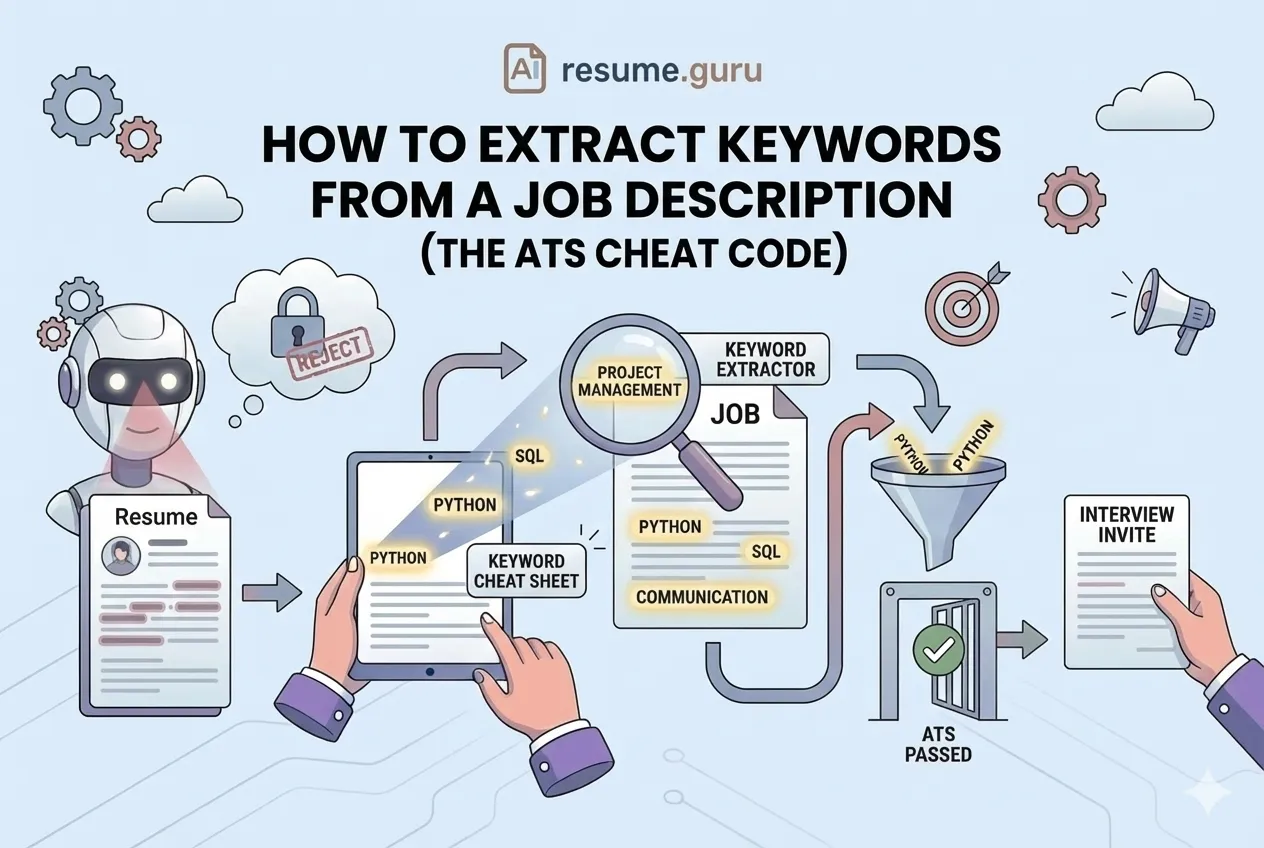
How to Find Keywords in Any Job Posting
Don’t just rely on generic lists. The highest match rates come from tailoring your resume to each job description. You can also paste a posting in and tailor your resume to the job automatically. Here’s how to extract keywords from specific job postings by hand:
- 1
Copy the entire job posting
Paste it into a document or our Keyword Scanner tool.
- 2
Highlight repeated terms
Words mentioned 2-3+ times are high-priority keywords.
- 3
Identify 'required' vs. 'preferred'
Required qualifications are must-have keywords. Preferred are bonus points.
- 4
Note exact phrasing
If they say 'cross-functional collaboration,' use that—not 'worked with other teams.'
- 5
Check for tools and technologies
Specific software, platforms, and certifications mentioned are almost always scanned.
Automate your keyword research
Paste any job description and instantly see which keywords to add to your resume.
Try Keyword Scanner FreeCommon Keyword Mistakes
Mistake 1: Keyword Stuffing
Cramming keywords everywhere makes your resume unreadable — and modern ATS can detect stuffing. Use keywords naturally within achievement-focused bullet points.
Mistake 2: Using Only Acronyms (or Only Full Terms)
Some ATS scan for “PMP,” others for “Project Management Professional.” Include both versions: “Project Management Professional (PMP).”
Mistake 3: Ignoring Soft Skills
ATS systems increasingly scan for soft skills like “leadership,” “collaboration,” and “communication.” Include them with context — see our action verbs guide for how to pair keywords with strong verbs.
Mistake 4: Copying the Job Posting Verbatim
Keyword matching is important, but copying entire sentences looks suspicious. Integrate keywords naturally into your own achievements.
Mistake 5: Using the Same Resume Everywhere
Generic resumes have lower match rates. Customize your skills section and summary for each application—or at least each role type.
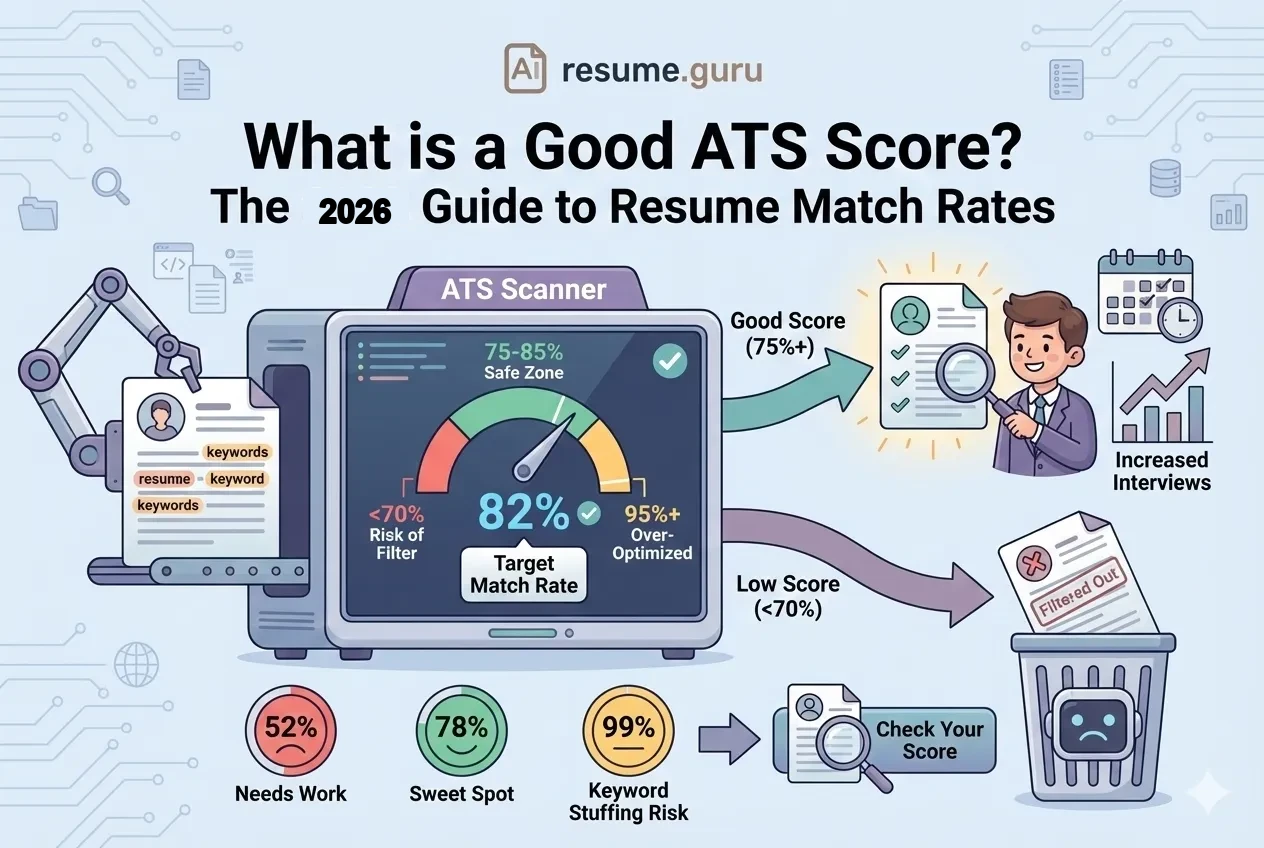
The 70-80% Rule
Target keyword match rate
You don't need 100%—aim for this range for optimal results
You don’t need to match every keyword in the job posting. 70-80% match rate is the sweet spot (here’s what counts as a good ATS score):
- Below 70% = likely filtered out
- 70-80% = competitive candidate
- 100% = can look suspicious (or you’re the perfect unicorn)
Focus on required qualifications and repeated terms first. Those carry the most weight.
Quick Keyword Checklist
Before you submit any application:
Keyword Optimization Checklist
- Professional summary includes 3-5 key terms from job posting
- Skills section lists all relevant hard skills and tools
- Experience bullets include keywords with context
- Certifications are spelled out AND abbreviated
- Job title matches posting (if accurate to your role)
- Tested with ATS scanner—no parsing errors
Your Move
Stop guessing which keywords to use. Stop sending the same resume everywhere.
Start matching your resume to each job posting — or at least to each role type. The difference between a 50% match and an 80% match is the difference between rejection and interview.
Make sure the rest of your resume supports your keywords: ATS-friendly fonts, proper margins and spacing, no special characters that break parsing, and a strong professional summary that front-loads your most important keywords.
Check your keyword match rate in 30 seconds
Paste any job description and see exactly which keywords you're missing — plus formatting issues that might block your resume.
Try Keyword Scanner FreeRelated Resources
- ATS Score Guide — What keyword match rate you need
- ATS-Friendly Resume Fonts — Fonts that won't break ATS parsing
- Special Characters & ATS — Characters that break keyword parsing
- How to Quantify Achievements — Put numbers behind your keywords
- Resume Summary vs Objective — Where to put your top keywords
- Action Verbs for Resume — Pair keywords with strong verbs
- Keyword Scanner — Check your match rate instantly
- Bullet Point Generator — Turn duties into keyword-rich achievements
- Resume Templates — ATS-optimised professional designs
Frequently Asked Questions
What are ATS keywords?
ATS keywords are specific terms—skills, tools, job titles, certifications—that Applicant Tracking Systems scan for when filtering resumes. Matching keywords from the job posting increases your chances of passing automated screening.
How many keywords should I include in my resume?
Aim to match 70-80% of keywords from the job posting. Focus on hard skills, tools, and required qualifications. Don't stuff—use keywords naturally in context.
Where should I put keywords on my resume?
Priority locations: professional summary (most important), skills section, experience bullet points, and job titles. Keywords in these areas get the most weight from ATS systems.
Should I use the exact keywords from the job posting?
Yes, when possible. ATS systems often match literally. If the posting says 'project management,' use that exact phrase—not 'managed projects' or 'PM.'
Do keywords work differently by industry?
Absolutely. Tech resumes prioritize programming languages and tools. Healthcare requires certifications and compliance terms. Finance emphasizes regulations and methodologies. Always research industry-specific terms.
Can I use the same keywords for every application?
Only partially. Core skills in your field stay consistent, but you should always add keywords specific to each job posting. Customization significantly improves match rates.
Put this into practice
You have the theory. These take a few minutes and work on the resume you already have.